What «Official» Means When Your Bank Account Is on the Line
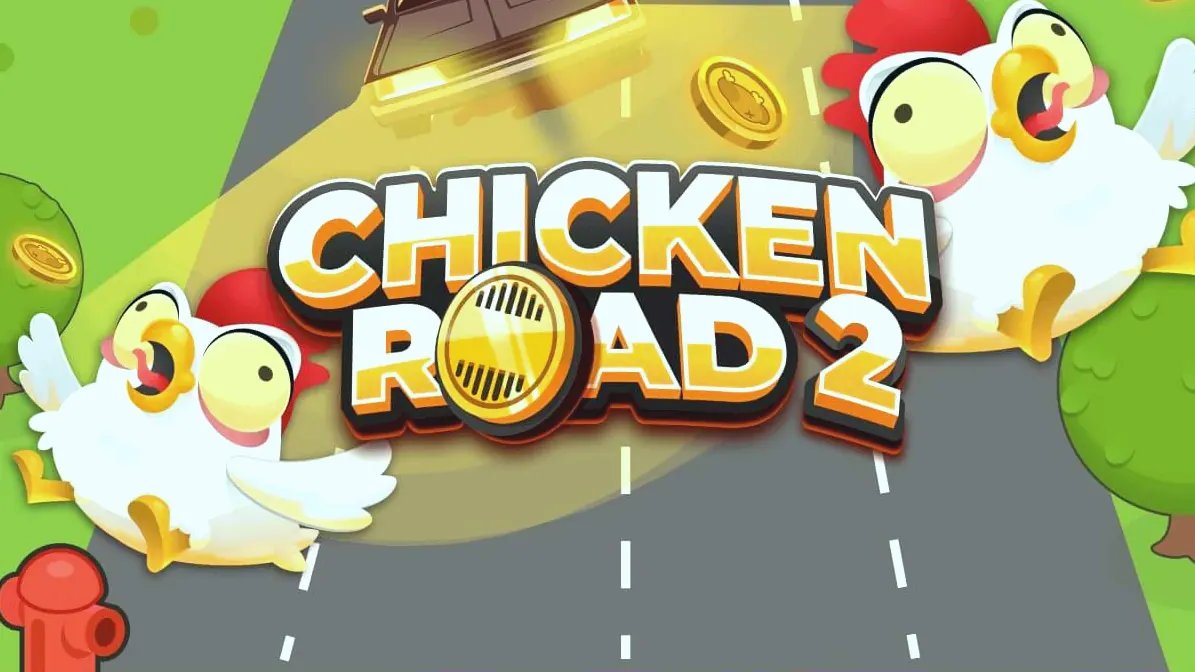
You open a site, the chicken sprite loads, the road scrolls, the multiplier ticks up. It looks like Chicken Road 2. But is it the real build, running fair RNG, on a platform that will actually pay you? Or a reskin with tampered odds, hosted in a jurisdiction where your complaint dies in an inbox?
«Official» is not a single URL. It is a chain: the provider supplies the game, a licensed operator hosts it, the regulator enforces the rules, and your debit card sits at the end. This page walks you through each link—what to check, what it costs you when something breaks, and why the licence number in the footer matters more than the logo at the top.
Provider, Operator, Regulator: The Three-Way Split
Chicken Road 2 comes from a game studio. That studio does not run a casino—it licenses the build to operators. The operators hold the UKGC remote licence, take your deposits, process your withdrawals, and carry the legal liability. The game itself is the same file everywhere; what changes is the wrapper around it.
«Official» means the operator is on the UKGC public register, the game build is certified for the UK market, and the RNG has been tested by an accredited lab. It does not mean the operator is better than the next one, or that the site will never go slow on KYC, or that you will win. It means the maths is audited and you have a complaint path that ends with a regulator, not a support bot.
- The studio writes the game and sets the RTP.
- The operator hosts it, takes deposits, and must follow UKGC rules: stake caps of £5 per spin for players 25 and over, £2 for 18–24, affordability checks from £150 net deposits a month, and GAMSTOP integration.
- The UKGC issues the licence, runs the register, and handles complaints when the operator breaks the rules.
If the site is not on the register, it is not official. If the licence number in the footer does not match the register entry, it is a clone or a scam. The provider name on the loading screen does not override the operator's legal status.
One-Minute Licence Verification (Costs You Nothing, Saves Your Balance)
The UKGC public register is free and updated daily. You do not need an account. This is the fastest way to confirm a site is legitimate before you deposit.
- Scroll to the footer of the casino site. Every UKGC-licensed operator must display its licence number there—usually a string like 39104 or 000-039104-R-319329-001.
- Go to the UKGC website and open the public register of licensees. (Type «UKGC register» into any search engine; it is the first result.)
- Paste the licence number into the search box. Hit search.
- Check the result: the operator name must match the brand on the site, the licence type must say «remote», and the status must be «active». If the name is different, the licence belongs to a parent company—click through to see the trading names.
- Look at the licence conditions. Some operators have extra restrictions (no live casino, no certain games). If Chicken Road 2 is restricted, the site should not be offering it.
If the number returns no result, or the status says «suspended» or «revoked», close the tab. If the site has no licence number in the footer at all, it is unlicensed and illegal to market in the UK. You have no protection, no complaint route, and no guarantee the RNG is fair.
Login, Account, and What the Platform Knows About You
You cannot play Chicken Road 2 for real money without an account. Age and identity checks happen before your first deposit—sometimes immediately, sometimes after. The operator pulls data from credit-reference agencies (Experian, TransUnion, Equifax) to verify your age, address, and, if your deposits cross £150 in a month, your income and affordability.
The first deposit takes a debit card in your own name. Credit cards have been banned for gambling since April 2020. PayPal, Apple Pay, and Trustly are common; all of them trigger the same KYC checks. Some sites ask for a photo of your driving licence or passport before you can deposit. Others let you deposit first and ask for documents before the first withdrawal. Either way, the documents take 24 to 48 hours to process, and your withdrawal is on hold until they are approved.
Your account stores your session history, balance, and any limits you set. The operator can see your deposit pattern, your play frequency, and your net loss. If the system flags you as high-risk (large deposits, rapid play, borrowing), the operator must intervene—freeze the account, ask for income proof, or close it. This is not discretionary; the UKGC rules require it.
The App Question: Browser, Web App, or Nothing
Chicken Road 2 usually runs in a browser. Some operators wrap it in a progressive web app (PWA)—you add it to your home screen and it opens like a native app, but it is still a webpage underneath. A few offer a native app from the Google Play Store or App Store, but most crash games stay in the browser because it is faster to update and does not require App Store approval for every patch.
If you see an APK download link for an Android app, treat it with suspicion. Legitimate UK operators do not distribute APKs outside the Play Store—Google's policy allows real-money gambling apps from licensed operators, so there is no reason to sideload. An APK from an unlicensed site is a security risk: it can ask for permissions your bank details do not need, and you have no recourse if it goes wrong.
- Browser play: works on desktop and mobile, no install, updates automatically.
- PWA: you add it to your home screen, it opens full-screen, but it is still a browser wrapper. Faster to launch than typing the URL every time.
- Native app: rare for crash games; if it exists, it will be on the Play Store or App Store with the operator's UKGC licence in the app description.
- APK from a third-party link: do not install it. If the site is licensed, it does not need to bypass the Play Store.
Demo play exists on most UKGC sites, but many of them only show it to logged-in, age-verified accounts. The demo uses the same RNG as real-money play—the maths is identical, the outcomes are random, and a winning streak in demo does not predict the next real-money session. The demo is there to learn the interface, not to test «patterns».
When Something Goes Wrong: The Complaint Path
You have three escalation points: the operator's complaints team, an alternative dispute resolution (ADR) service, and the UKGC itself. Most disputes—delayed withdrawals, bonus disputes, account restrictions—resolve at the first stage if you document the issue and send it in writing.
- Contact the operator's support team. Email is better than live chat for anything involving money—you need a record. Describe the issue, attach screenshots, and reference the transaction ID or session timestamp. The operator has eight weeks to respond.
- If the response is unsatisfactory or you hear nothing after eight weeks, escalate to the ADR service. Every UKGC-licensed operator must belong to one (IBAS, eCOGRA, or CEDR). The ADR service is free for you; the operator pays the fee. The ADR decision is binding on the operator, but not on you—you can still go to court if you reject the outcome.
- If the operator ignores the ADR decision or you believe the operator is breaching its licence (not processing withdrawals, marketing to under-18s, ignoring GAMSTOP), file a report with the UKGC. The UKGC does not handle individual disputes—it investigates operators and can suspend or revoke the licence if it finds systemic breaches.
For gambling harm, the path is different. If you want to stop, GAMSTOP is the national self-exclusion register—one registration blocks every UKGC-licensed site for six months to five years. BeGambleAware offers free advice and counselling. Both are linked from every operator's footer, and mentioning GAMSTOP in a complaint usually speeds up a refund if the operator let you play while excluded.
Red Flags: How Clones Drain Your Balance
A clone looks like Chicken Road 2, but the maths underneath is different. The multiplier might cap lower, the crash frequency might be higher, or the RNG might not be random at all. You will not know until you have lost more than you expected, faster than the published RTP suggests.
| Red Flag | What It Means | What You Lose | |
|---|---|---|---|
| No licence number in footer | Unlicensed operator, no UKGC oversight | No complaint route, no deposit protection, RNG not audited | → |
| Licence number does not match UKGC register | Fake or expired licence | Same as unlicensed | → |
| Withdrawals only in crypto | Avoiding UK payment regulations | No chargeback rights, KYC often skipped, harder to trace | → |
| Bonus terms with 60× wagering or higher | Designed to be uncleared | You burn through your deposit chasing an uncleared bonus | → |
| No GAMSTOP mention anywhere | Not integrated with UK self-exclusion | If you are excluded, the site should not let you play; if it does, it is breaking the law | → |
Some clones are not scams—they are licensed in Curaçao or Malta and serve non-UK markets legally. But they are not legal to market in the UK, and if you play there, you are outside UKGC protection. The operator might pay you, or it might not, and you have no ADR, no UKGC complaint path, and no guarantee the RNG file is the same one the provider certified.
What Official Status Does NOT Guarantee
A UKGC licence means the operator follows the rules and the RNG is audited. It does not mean you will have a good time, or that the site is generous with bonuses, or that withdrawals will be instant. Official status is a floor, not a ceiling.
- RTP is fixed by the provider, usually 96–98%. A licensed operator cannot change it, but it also cannot make it higher. Over a long enough session, the house edge will show up.
- Volatility means losing streaks. The game is designed to crash early more often than it runs long. An official build does not smooth that out—it makes it transparent.
- KYC delays are normal. The first withdrawal always takes longer because the documents need manual review. If you deposit on Friday night and request a withdrawal Saturday morning, expect to wait until Monday for the docs team to log on.
- Affordability checks start at £150 net deposits a month. If you cross that threshold, the operator will pull credit data. If the data suggests you cannot afford it, the operator will restrict or close your account. This is not optional—the UKGC rules require it.
- Bonus terms always include wagering. A £10 bonus with 35× wagering means you need to bet £350 before you can withdraw the bonus or any winnings from it. Official sites do not waive this; unlicensed sites sometimes pretend they do, then freeze your account when you try to withdraw.
Where the Money Actually Goes
Every £10 you deposit splits into three: your balance, the operator's margin, and the government's Remote Gaming Duty (RGD), raised to 40% in April 2026. The RGD is on gross gaming revenue—what the operator keeps after paying out winnings. You do not see it itemised, but it is why UK casino margins are tight and why some operators left the market after the rate went up.
Your balance shrinks because of RTP and volatility. If the RTP is 97%, the house edge is 3%, and over enough spins, you will lose £3 for every £100 wagered. In the short term, variance matters more—you might win £50 in ten minutes or lose £50 in three. The licence does not change that. It only ensures the 3% edge is real, not 10% hidden behind a rigged RNG.
Withdrawals to a UK bank account use Faster Payments and usually arrive the same day to two working days after approval. E-wallets are faster—a few hours to 24 hours. The first withdrawal is always slower because of KYC. After that, it is mostly automated, unless you trigger a manual review by requesting a large amount or changing your payment method.
Conditions on bonuses, free spins, and promotions change. An offer you see today might not be there next week, and the wagering requirement or game restrictions might shift. Check the site before you commit, and read the full terms—not just the headline number. What matters is how much you need to wager and which games count.
FAQ
Can I play Chicken Road 2 without an account?
Demo play sometimes works without login on UKGC sites, but most require you to log in and verify your age before showing the free-play version. Real-money play always needs an account. You cannot deposit, wager, or withdraw without passing KYC.
Why does the first withdrawal take so long?
The operator must verify your identity and address before releasing funds. This means reviewing your documents—usually a photo ID and a recent bank statement or utility bill. The review takes 24 to 48 hours. After the first approval, subsequent withdrawals are faster unless you change your payment method or request an unusually large amount.
What happens if I deposit more than £150 in a month?
The operator triggers an affordability check using credit-reference data. If the data suggests you are borrowing to gamble or your deposits are out of line with your income, the operator will ask for proof of income (payslips, tax return, bank statements). If you cannot provide it, or the documents show you cannot afford the level of play, the operator must restrict your account or close it. This is a UKGC rule, not operator discretion.
Is Chicken Road 2 on an unlicensed site the same game?
It might be, or it might be a reskin with tampered RNG. You have no way to verify without access to the source code and the test lab reports. Even if the file is identical, the operator has no UKGC oversight, no complaint path, and no obligation to pay you. The risk is not worth the convenience of skipping KYC.